




The city is “under attack” from a disease which could lead to the loss of a third of our trees.
Elm disease is caused by a dangerous fungus spread by elm bark beetles and Brighton is being hit hard.
Brighton and Hove City Council reported that the city is facing a “higher than usual outbreak of the disease”, which, if not brought under control, could lead to the loss of “nearly a third of our trees”.
Councillor Jacob Allen, for Woodingdean, has been raising awareness on the issue, recently sharing an East Sussex County Council poster from 1978 which reported that 20,000 elm trees had been killed in the seven years prior.
He said Brighton is home to a “nationally renowned collection of elm trees”, containing some of the “rarest in the world”.
However, since the 1970s, he said, they have been “under attack”.
“Council funding goes on an array of services that are not at the forefront of people’s minds - and one of those areas is the vital inoculation of our city’s trees against invasive diseases like Dutch elm disease,” he added.
“This year we have sadly lost elm trees in Hove and Ovingdean to the disease, alongside losses from ash dieback too.”
Members of the public are asked to help spot signs of elm disease, such as wilting and browning or yellowing of parts of the foliage, or greenery, anywhere on the tree.
Another sign is elm trees losing their leaves in early summer.

The disease typically takes hold in early June until September.
It is tackled by trees being felled to prevent the spread and subsequent inspections of nearby trees.
Limb girdling, which is removing bark all the way around a tree’s limb or trunk, may also be used to try and save them.
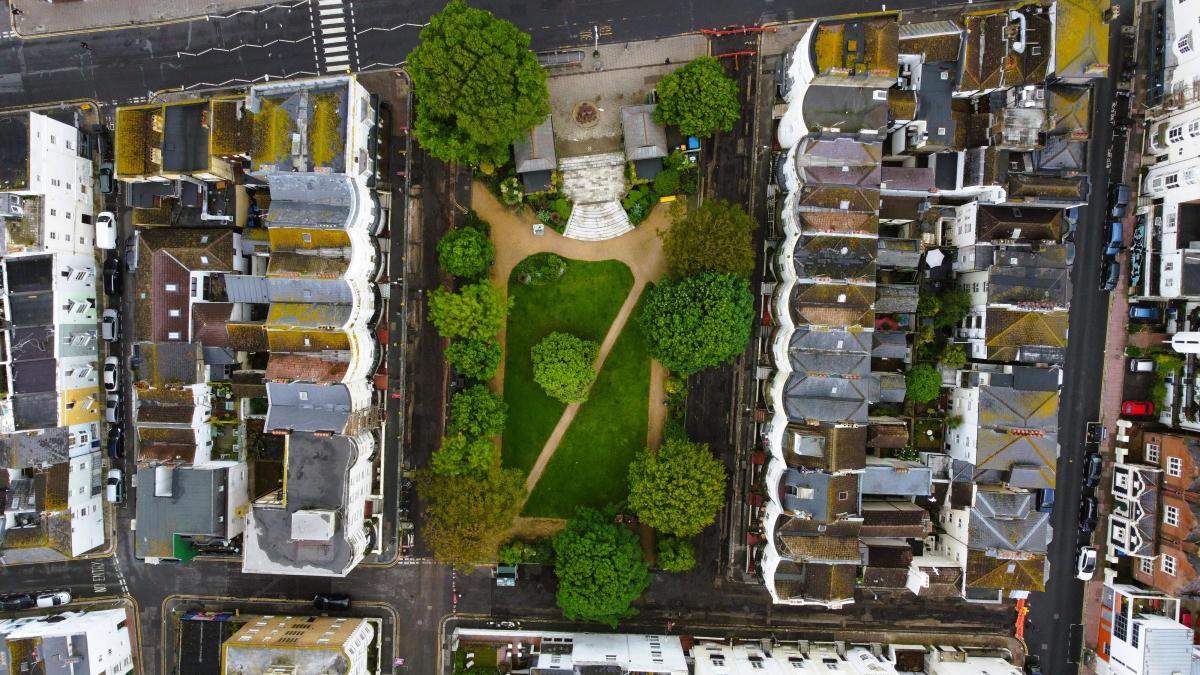
Arboriculture teams sometimes use drones to spot the signs.
Read more:
- Huge bird of prey escapes from falconry leading to 'soul destroying' search
- Animal sanctuary fears closure after heatwaves leave it with 'no money'
- Rescuers free distressed deer entangled in discarded fencing
Cllr Allen added: “The Labour administration green lit funding for the inoculation of around 1,400 elm trees in parks and open spaces this year to protect them from the disease.
“We will continue to work to protect this unique civic and environmental asset the city has.”
In October, Labour councillor Alan Robins, Brighton and Hove City Council’s cabinet member for sports, recreation and libraries, told members of the place overview and scrutiny committee that work to tackle elm disease was aimed at containing its rapid spread and preventing the loss of more trees.
Green councillor Sue Shanks said communication about why trees were coming down needed to be better because she had seen the word spread with shock through street WhatsApp groups.
In 1998, Brighton and Hove was designated as the home of the National Elm Collection.


Share