


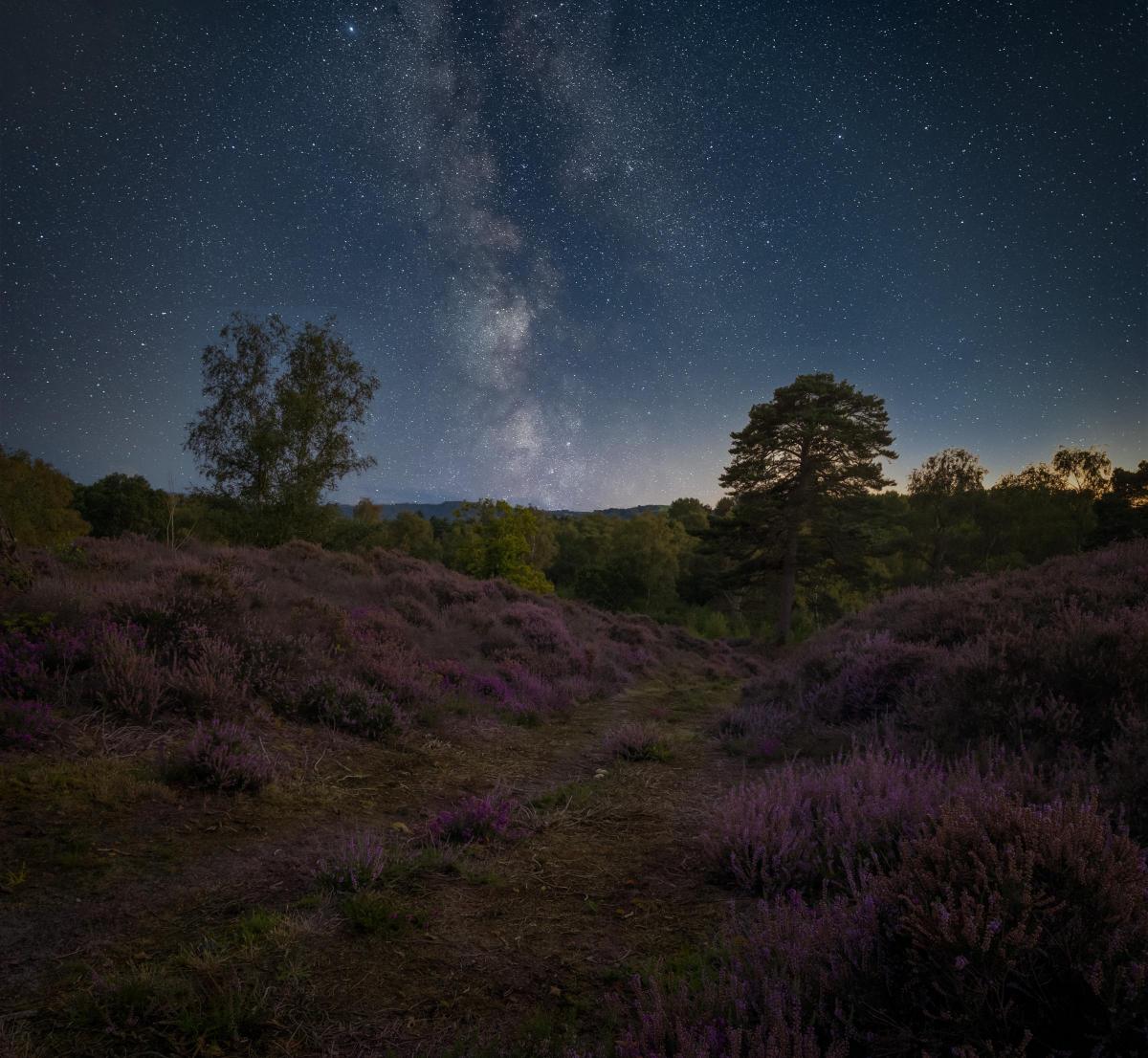


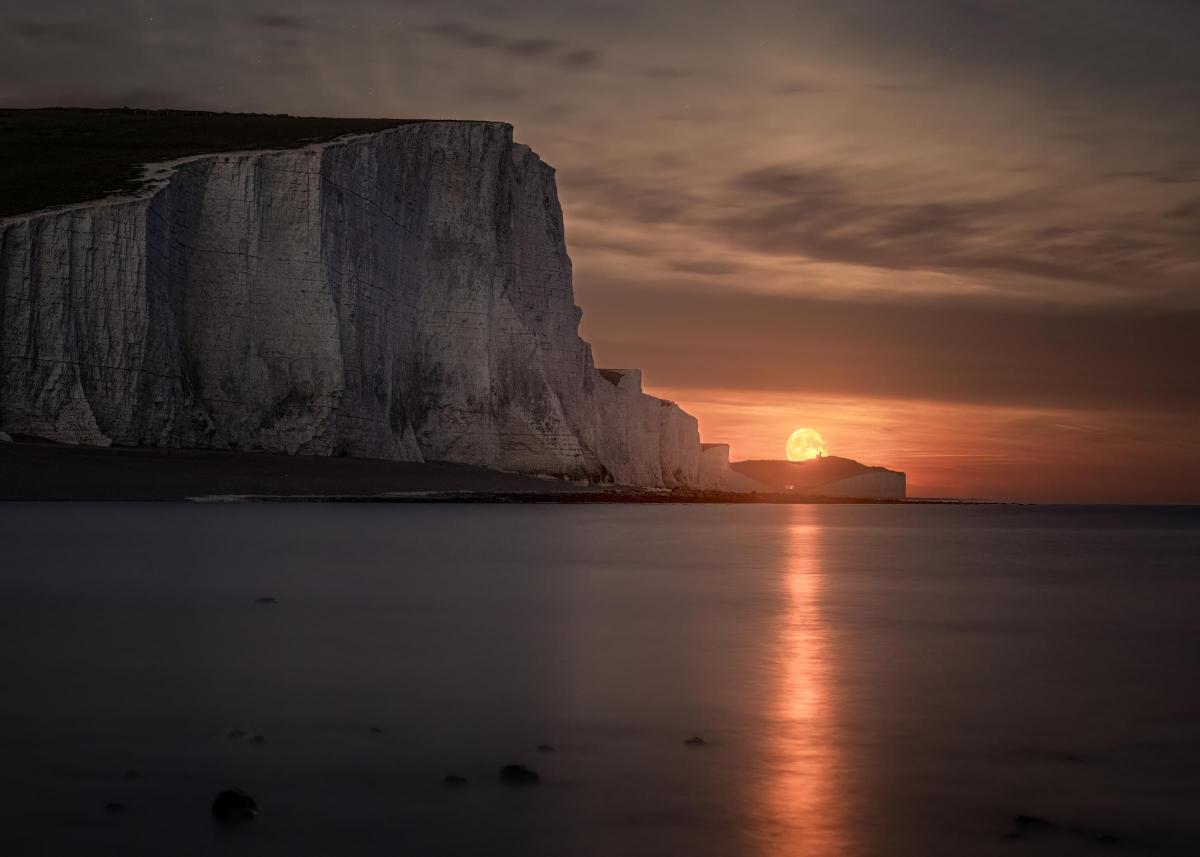


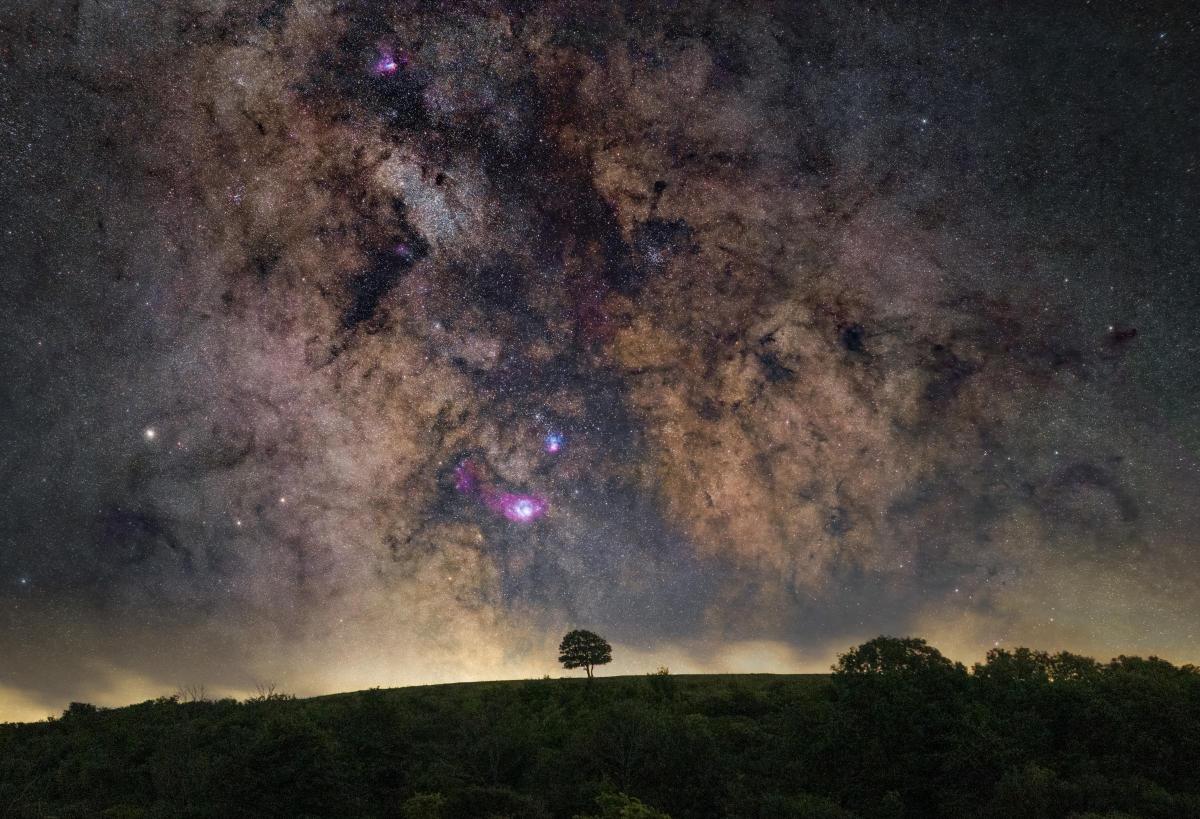


The South Downs will celebrate its rare starlit beauty with a festival that looks to the skies.
This year’s Dark Skies Festival will mark 10 years since the South Downs National Park was designated as an International Dark Sky Reserve, earning it the honorary title of Moore’s Reserve in tribute to the late Sussex astronomer Sir Patrick Moore.
Running from February 12 to 22, the festival promises an expanded programme of events to celebrate the designation and raise awareness of light pollution.
Siôn McGeever, chief executive of the National Park Authority, said: "Dark, starry skies are such an integral part of what makes the South Downs National Park so special, and it’s wonderful to be celebrating the 10th anniversary as an international reserve.
"We’re still one of only 25 International Dark Sky Reserves in the world and it’s something we really want to protect.
"We have big ambitions for nature recovery across the region and that can only be achieved by having skies with low levels of light pollution, as so many animals and plants rely on the darkness.
"We’re also committed to our goal that every child should be able to experience the wonder of a star-filled night sky."
The festival includes stargazing events at locations across Sussex and Hampshire, such as Seven Sisters, Queen Elizabeth Country Park, Amberley Museum, Alice Holt Forest, Winchester Science Centre and Brighton seafront.
The new Dark Skies Explorer Trail will also launch during the festival, offering storytelling experiences such as the journey of the Great Bear through the constellations.
Other highlights include expert-led night walks focused on nocturnal wildlife, biofluorescent plants and animals, astrophotography workshops, exhibitions, talks and cosmic storytelling sessions.
Elinor Newman, organiser of the Dark Skies Festival, said: "We’re so excited for this year’s festival and are really pulling out all the stops to make it extra special for our 10th birthday.
"As well as being vital for wildlife, there’s mounting evidence that dark skies are important for our natural rhythm and boosting your mental wellbeing.
Read more:
-
Look to the skies for rare and special birds at English Heritage sites
-
Eerie 'Stranger Things' lights appear in skies above South Downs
-
Anniversary of a South Downs estate that's helped shape world politics

"We really want to inspire people of all ages to embrace the darkness and learn more about why dark skies are so important for people and nature.
"As always, we’re reliant on the weather, so it’s worth checking out our social media feeds before any events for useful updates."
Events are a mix of ticketed and drop-in, with full details available at southdowns.gov.uk/dark-skies-hub/dark-skies-festival.
A special celebration will be held at the South Downs Centre with acclaimed travel author and DarkSky International editor Megan Eaves-Egenes, who will launch her new book Nightfaring: In Search of the Disappearing Darkness.
The festival also coincides with renewed efforts by the South Downs National Park Authority to further protect its dark skies through its upcoming Partnership Management Plan, which sets out objectives for the next five years.
One of the plan’s main goals is to expand the “dark sky core” - the very darkest part of the reserve - by 10 per cent by 2031 through collaboration with lighting authorities and local communities.
A 2020 star count revealed that more than half of people in the UK experience severe light pollution, with only five per cent of respondents able to count more than 30 stars in the Orion constellation.
Light pollution doesn’t just block our view of the cosmos; it also affects wildlife by disrupting the behaviour of nocturnal species.
The South Downs is home to 17 of the UK’s 18 native bat species and supports populations of owls, moths, nightjars and other creatures that rely on natural darkness.
The festival aims to raise awareness of this hidden impact while offering the public a chance to reconnect with the night sky and the natural world.
The South Downs National Park Authority hopes that by reducing light pollution and raising awareness, the region will continue to be a place where both people and wildlife can thrive under the stars.


Share