


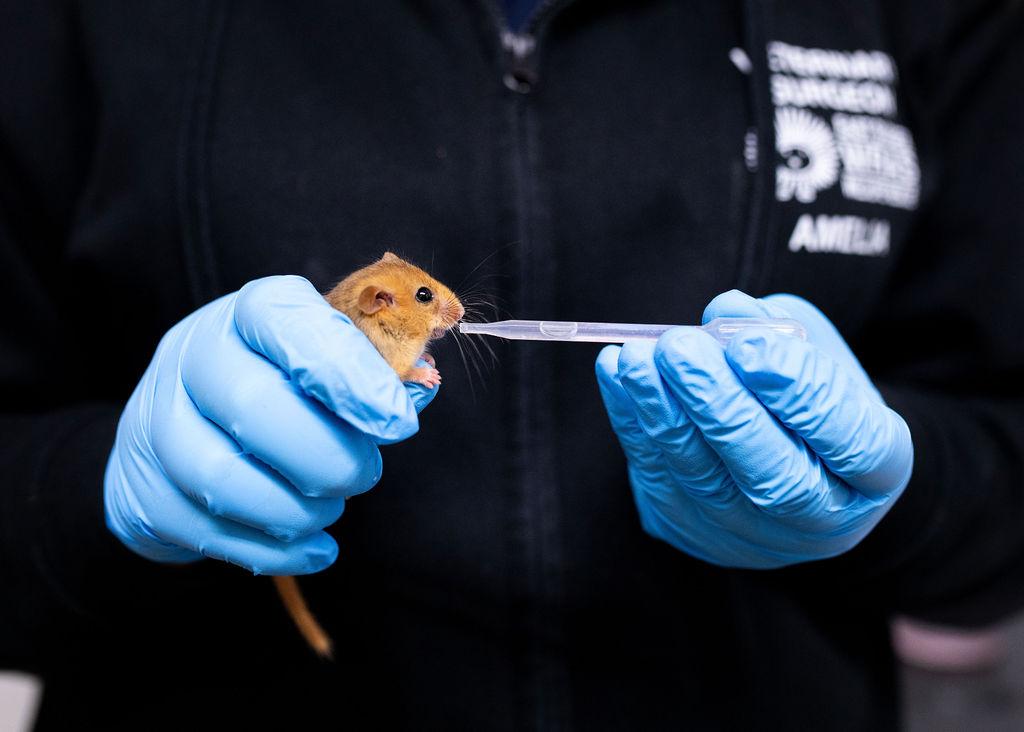
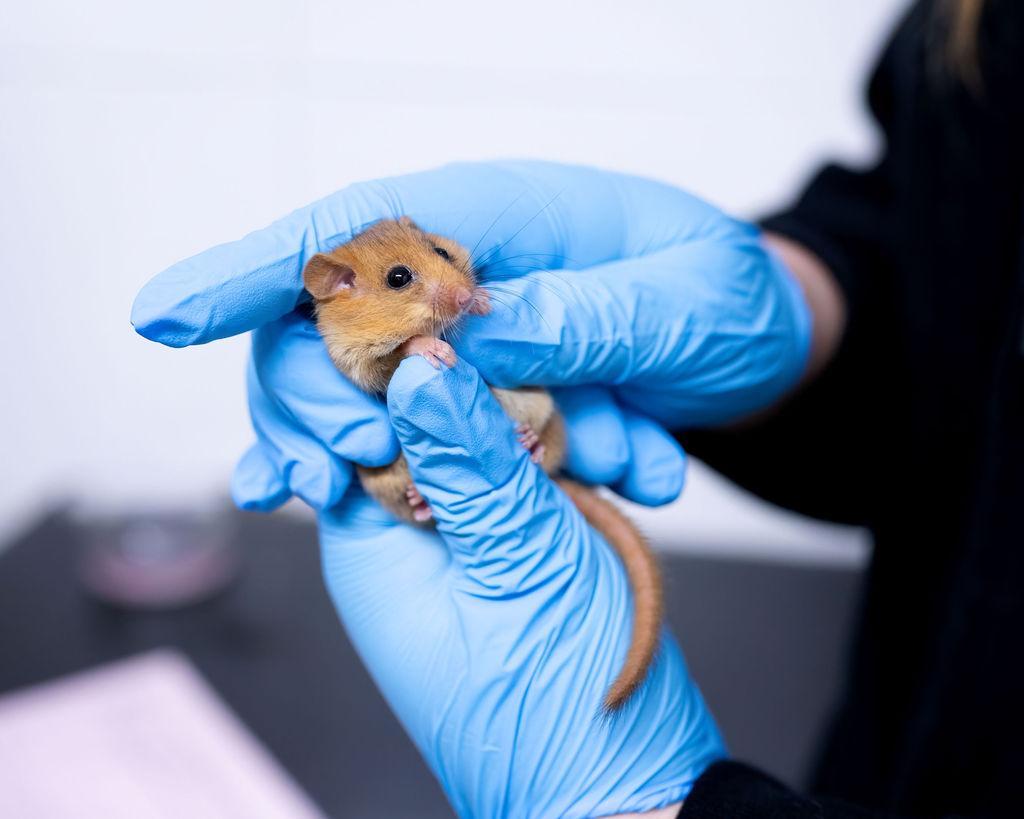
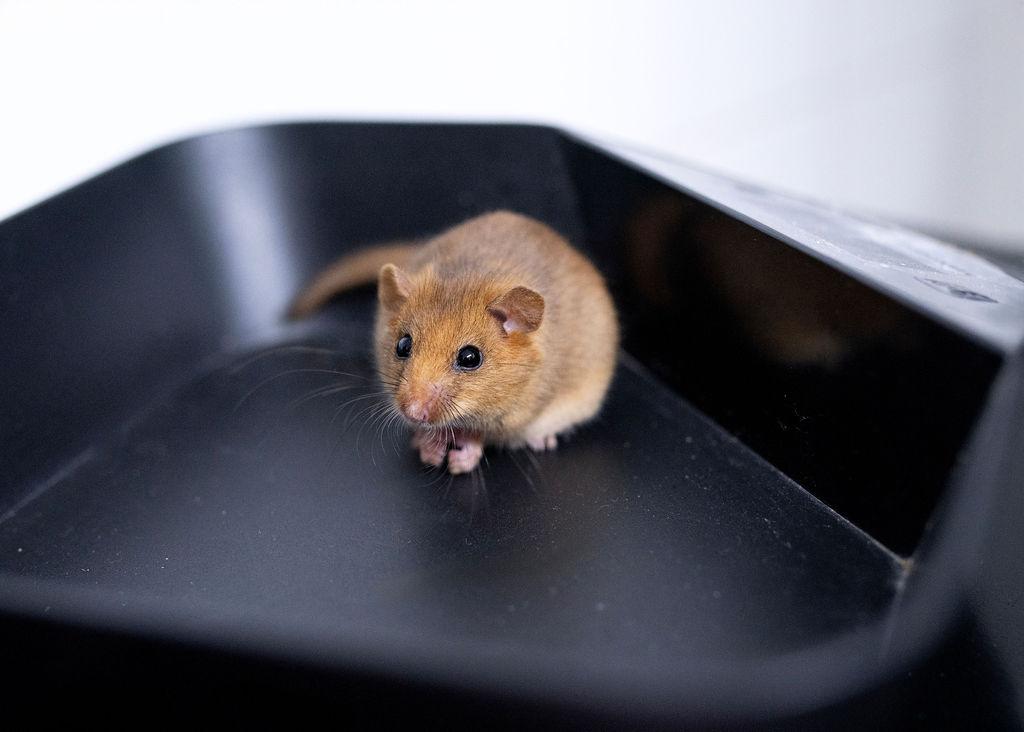

A hazel dormouse has been rescued after being found cold and unresponsive on a lawn.
The protected creature was discovered in Bexhill and is now being cared for at the East Sussex Wildlife Rescue and Ambulance Service (WRAS) Casualty Centre.
Trevor Weeks MBE, founder of WRAS, said: "Dormice are incredibly vulnerable, especially during colder periods.
"This little one was very lucky to be found when he was.
"These photos really highlight just how special our native wildlife is, and how important it is to act quickly if something doesn’t look right."
The dormouse was first taken to the Bexhill and Hastings Wildlife Rescue and Sanctuary, where he was gently warmed before WRAS volunteers transported him to their Casualty Centre for further assessment and care.
WRAS staff believe the animal may have been accidentally disturbed while hibernating and subsequently dropped onto the lawn, leaving him at serious risk from the cold, dehydration and predators.
By the time WRAS rescuers arrived in Bexhill, the dormouse had already been warmed up and was noticeably more alert.
Read more:
-
Unusual animal co-working space is the latest addition to arcade
-
Animal rescuers respond to 'tragic incident' following shipping container pollution
-
Animals enjoy sweet treats as zoo celebrates Winnie the Pooh Day
He was given fluids by WRAS veterinary surgeon Amelia Cotter to aid his recovery.
Hazel dormice are a protected species in the UK and are rarely seen by the public due to their nocturnal habits and preference for living high in hedgerows and woodland.
Finding one on an open lawn during cold weather is highly unusual and potentially life-threatening.
WRAS staff have carried out thorough checks to ensure the dormouse has no internal injuries and are monitoring him closely, particularly as there is a chance he may have been handled by a predator before being found.
He will remain in specialist care while he recovers and will be released back once conditions are safe and the weather permits.
WRAS reminds members of the public that if they find a small mammal that is cold, unresponsive, or out in the open, they should seek advice from a wildlife rescue as soon as possible and avoid attempting to care for the animal themselves.
More information about East Sussex Wildlife Rescue and Ambulance Service, including how to donate, can be found on their website.


Share