



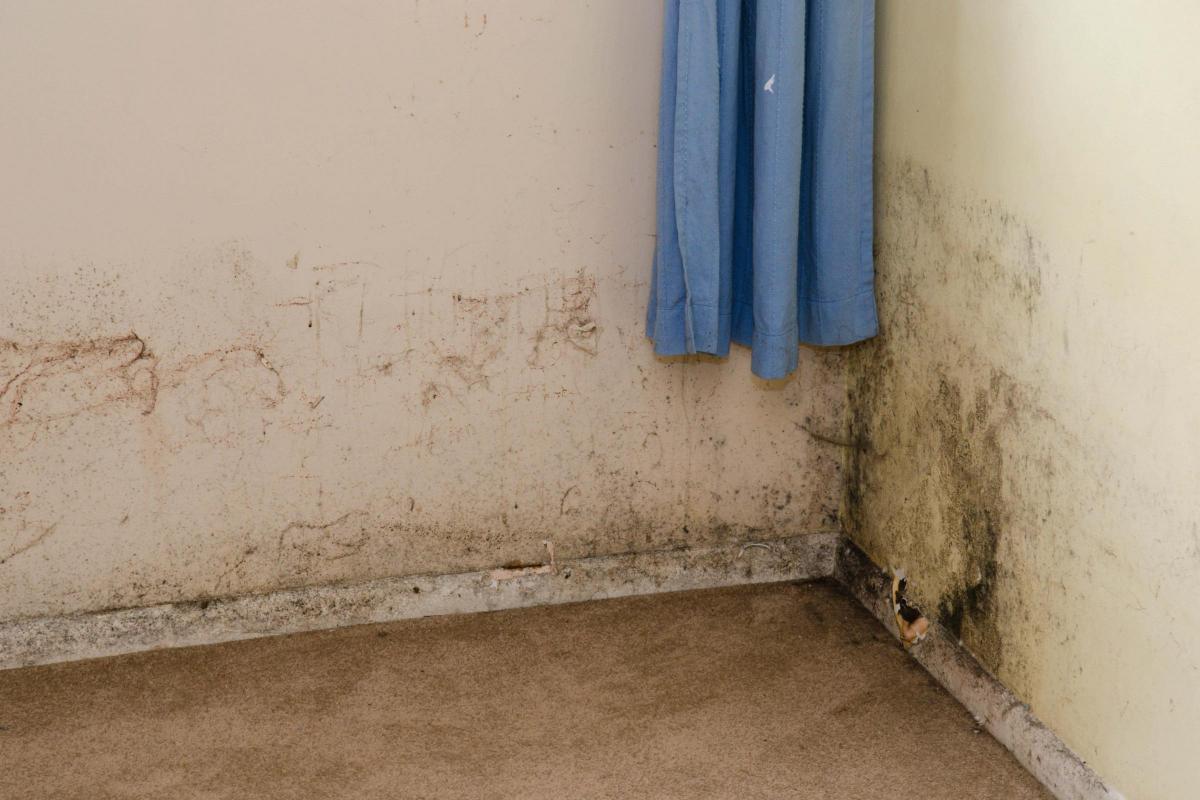
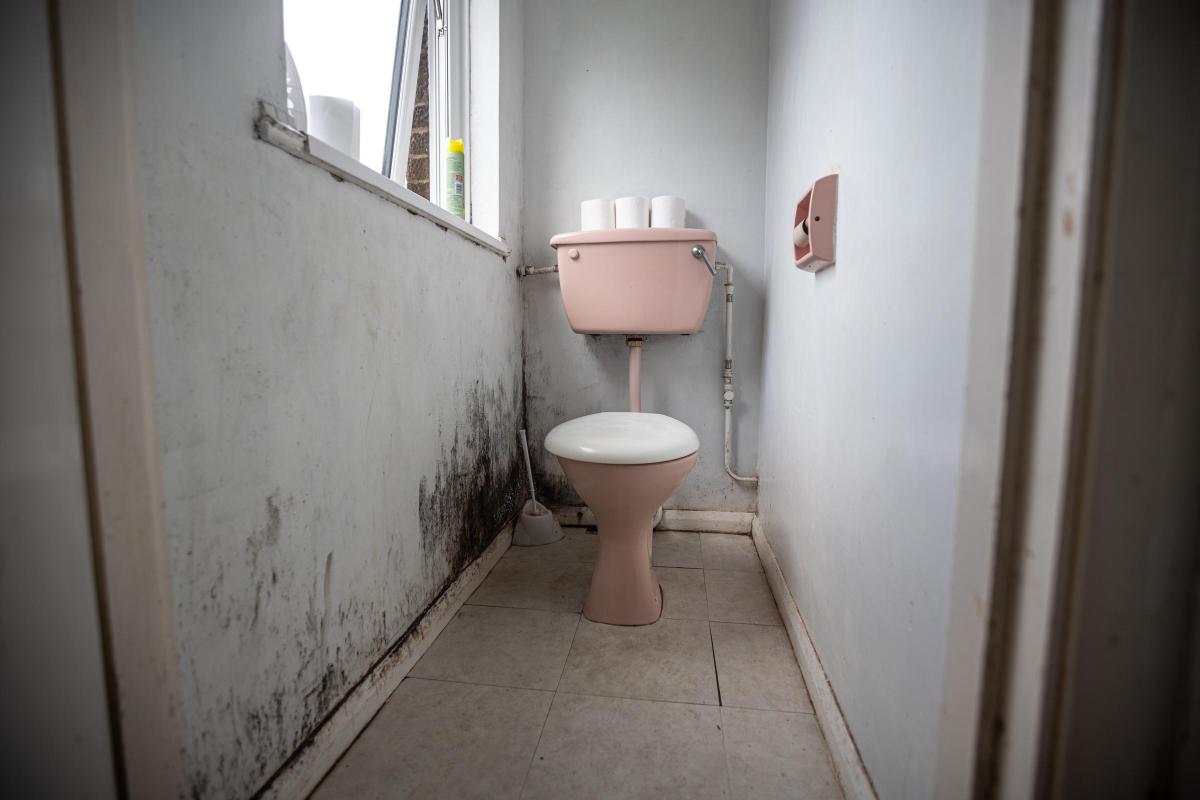
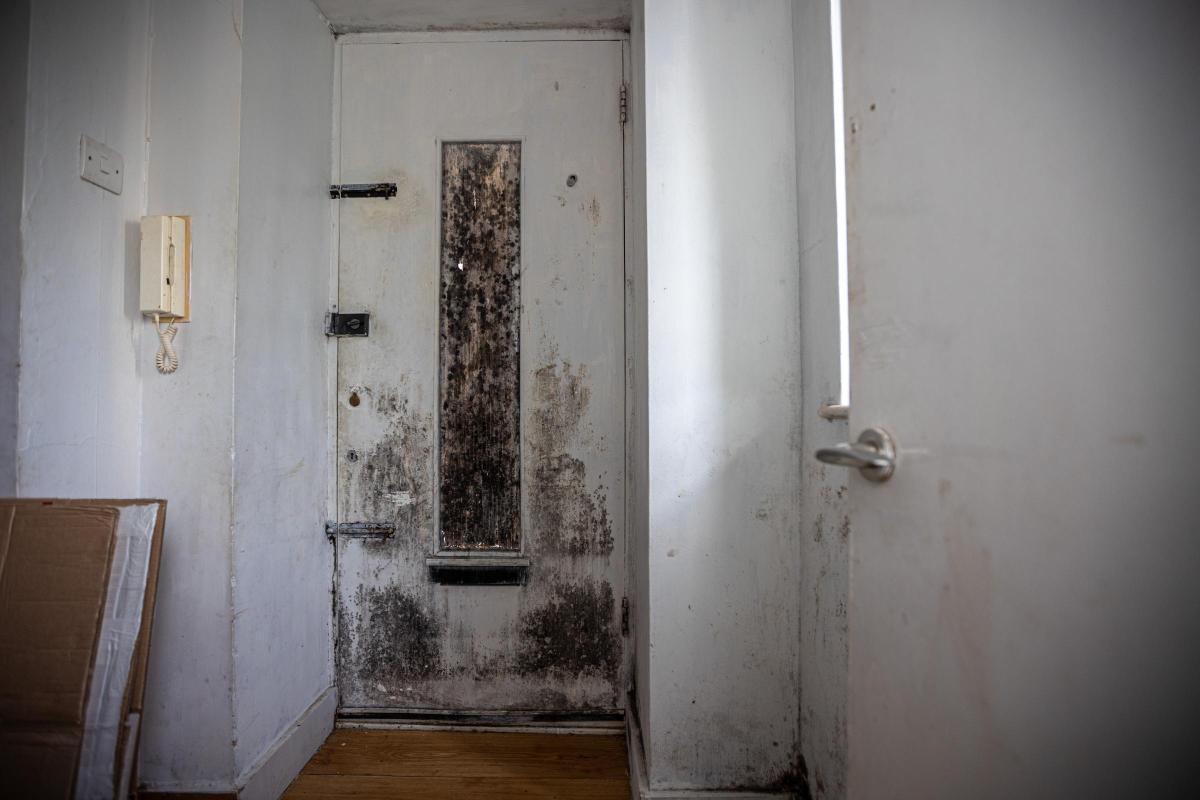

Everyday habits could be turning your home into a breeding ground for damp and mould, according to experts.
The warning is especially pertinent for Sussex residents, with Brighton and Hove ranking as the UK’s third-worst city for mould.
The ranking came from a study that found there had been 1,540 online searches in a year for advice about black mould in Brighton, alongside 1,770 searches about condensation.
Health officials say breathing in the spores can trigger asthma attacks, severe allergic reactions and other breathing problems.
Brighton's coastal climate and older housing stock make the city highly vulnerable to trapped moisture.

Cleaning specialist John Zentveld says people often create the perfect conditions for damp and mould without realising it.
John Zentveld, an industry expert at HG, said: "Damp and mould are often seen as purely seasonal problems, but the habits we follow every day play a huge role.
"Many people are unaware that normal activities like cooking, showering, or even placing furniture against certain walls can create persistent moisture that eventually leads to damage."
John shared five everyday habits that could be causing mould in your home.
1. Drying clothes indoors
Drying clothes indoors is one of the biggest causes.
Wet laundry releases large amounts of moisture into the air, especially in winter.
As the vapour hits cold walls and ceilings, it causes condensation and helps mould spores grow.

2. Boiling without lids
Cooking without lids is another common mistake that pumps unnecessary steam into properties.
Boiling water allows moisture to stick to cool surfaces like tiles and exterior walls.
Covering pans and switching on an extractor fan will quickly stop the issue.
3. Pushing furniture against external walls
Pushing beds, sofas and wardrobes tight against outside walls traps moisture behind them.
It blocks airflow and lets damp patches build up unseen, especially in older coastal homes.
Pulling furniture forward to leave a small gap allows the air to circulate and moisture to evaporate safely.

4. Hot showers without ventilation
Steamy bathrooms are notorious hotspots for fast-growing mould.
Opening a window or wiping down wet surfaces immediately after a hot shower stops clouds of steam from clinging to mirrors.
Read more:
-
Everything you need to know about plans for new £65m seafront leisure centre
-
This picturesque Sussex town saw property prices rise by 50% in the past decade
-
We tried gherkin margaritas at one of Brighton's most popular Mexican restaurants
5. Ignoring small leaks or damp patches
Ignore small leaks or damp smells and you could end up with serious damage to your home.
Water seeping into skirting boards can make plaster crumble and paint peel.
Spot it early to stop small patches becoming a serious health hazard in your home.


Share