



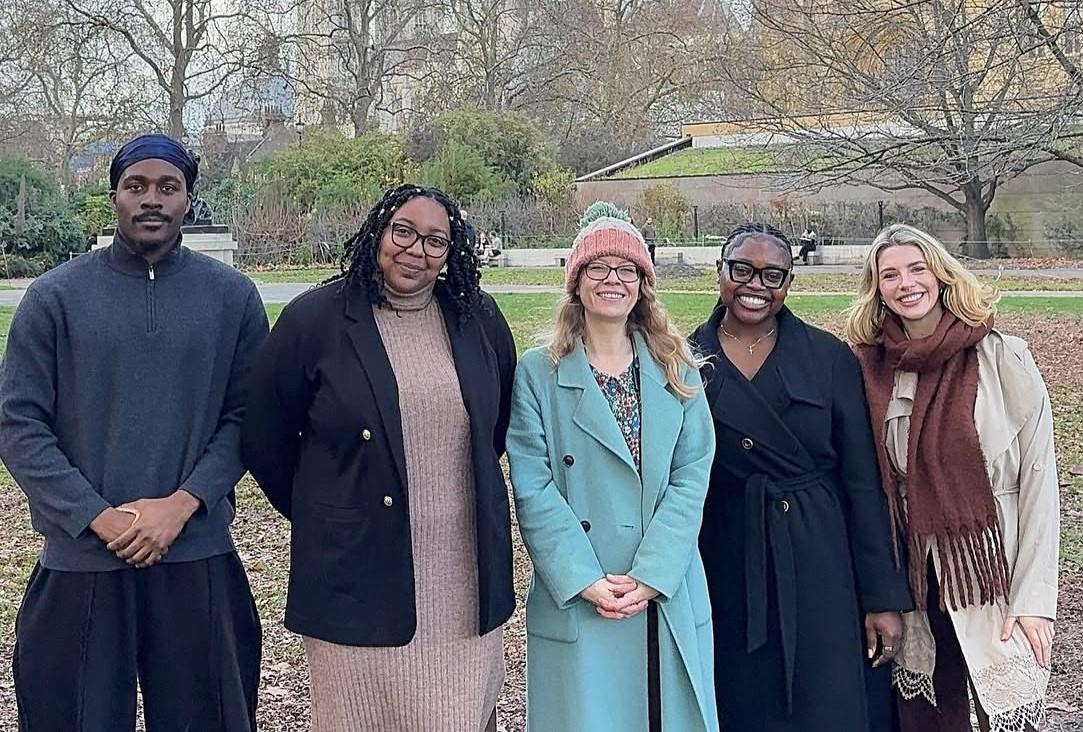

Addressing a packed University and College Union's annual congress last month, Green Party leader Zack Polanski spoke out against higher education being viewed by those in power as a 'commodity' rather than the public good that it is.
And Zack is bang on.
The relationship between universities and students has been eroded into one of business and customer, with value placed not on learning, discovery and new experiences, but on profit margins.
Greens have always opposed student fees and continue to include abolishing them in our manifestos at each election. We are clear that student education should not be a marketplace in anything other than ideas, excellence and the quality of education.
And forcing universities to rely on competition for students and their fees has not made the sector more secure. Quite the opposite. For years, international students have helped paper over the cracks. While, quite rightly, and thanks to fierce campaigning from students and allies, fees have been kept from rising to match the increasing cost of providing degree courses. So, as more and more institutions have grown to rely upon international students, the impacts of Brexit and successive government crackdowns on immigration through deterring students have had a huge impact.
It has been awful to see Labour choosing recently to double down on the regressive restrictions imposed by the Conservatives on international students, which has directly and rapidly fuelled the financial crisis our universities now face.
In Parliament, I have challenged the Home Secretary's decision to suspend student visas for four of the most dangerous countries, blocking exceptional students from taking their places on the UK's Chevening Scholarship scheme. I said this was a particularly devastating decision for women from Afghanistan, who at home remain banned from secondary and higher education by the Taliban.
The University of Sussex has over the years proudly hosted hundreds of Chevening scholars, who are all exceptional students, naturally drawn to the university's world-renowned Development Studies programme.
That these students, some of them living at the epicentre of the world's largest humanitarian crises, are now blocked from developing their knowledge of the issues their home countries face and enriching our university's diversity is nothing short of shameful.
Meanwhile, home students are suffering too from this broken system. Public pressure to address the unfairness of the Plan 2 student loans has resulted in a government inquiry that kicked off last week. Campaigners gave strong evidence to show how lower-income students who have taken bigger maintenance loans to cover essential uni costs, will be paying back much more, for much longer than their better-off peers. This regressive system is widening wealth inequality at an alarming rate.
Students and graduates in Brighton have shared their worries about how they will be impacted by the high interest rate and frozen salary threshold for loan repayment. One University of Sussex graduate told me: "I had to work throughout my entire degree, meaning I missed out on vital volunteering opportunities which my peers got to do and would make me more employable. On top of that, the cost of living in Brighton means that I may reach the threshold for repayment in my salary, but after paying bills, council tax, rent and student loan repayment, the amount I am left with is unliveable, the changing of the terms of my loan has made this issue even worse and is forcing me out of Brighton."
In the context of struggling students, graduates, reduced income from international students and the refusal from government to properly fix the system and fund the sector properly, the recent decision by the University of Sussex to make proposals for another round of job cuts is heartbreaking, and is a story heard right across the sector. Tens of thousands of academics all across the country are facing job insecurity, crushing workloads and shattered morale. As Zack told the UCU congress, this is bad for students, educators, research excellence and society as a whole.


Share