


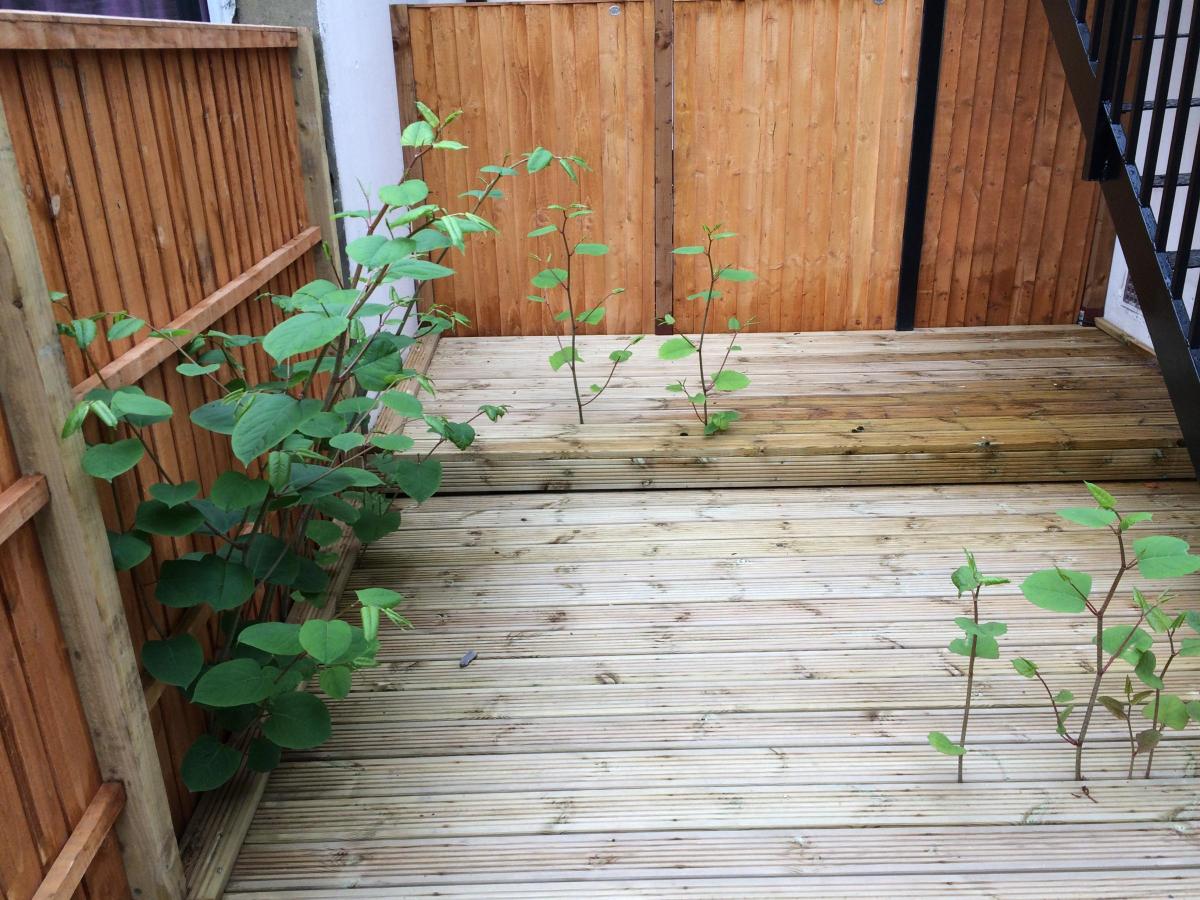
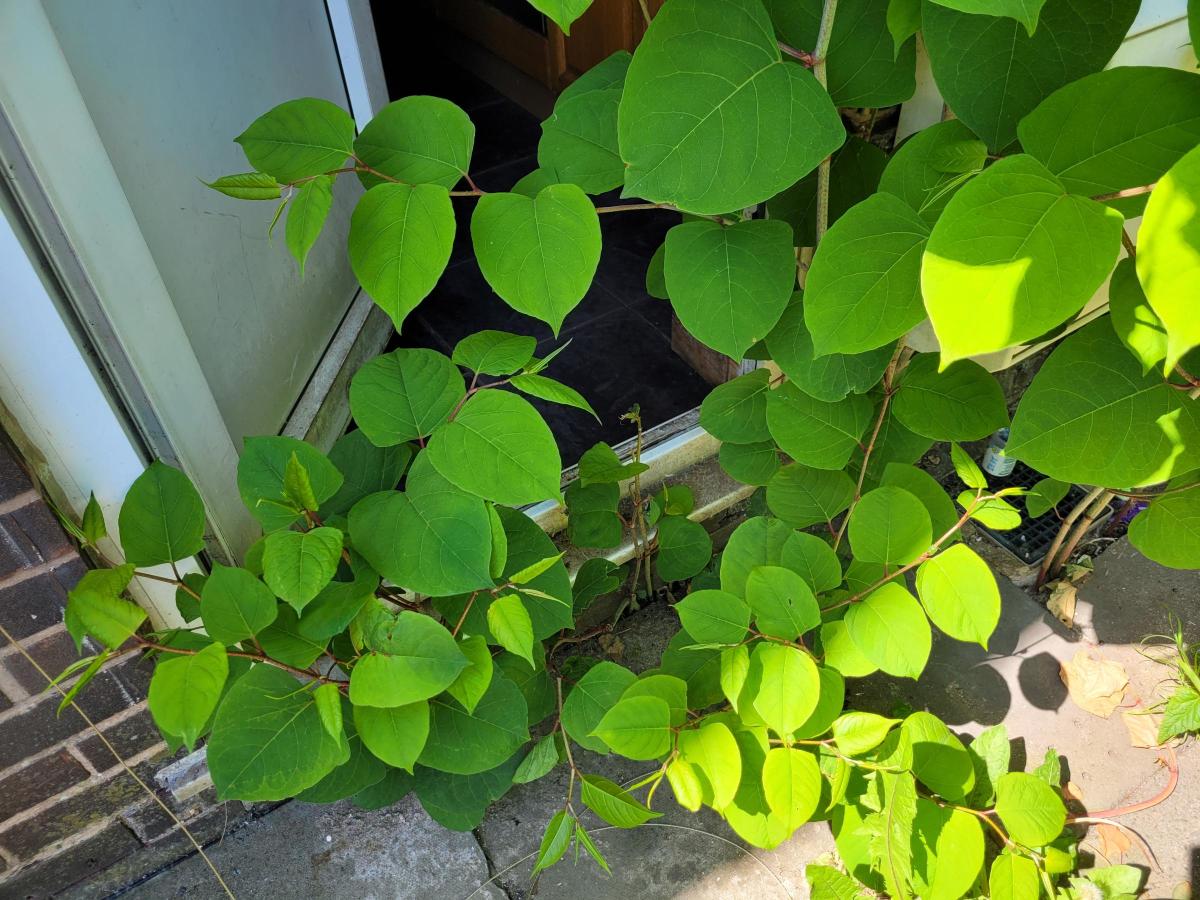

Two towns have been ranked as the joint Japanese knotweed capitals of Sussex.
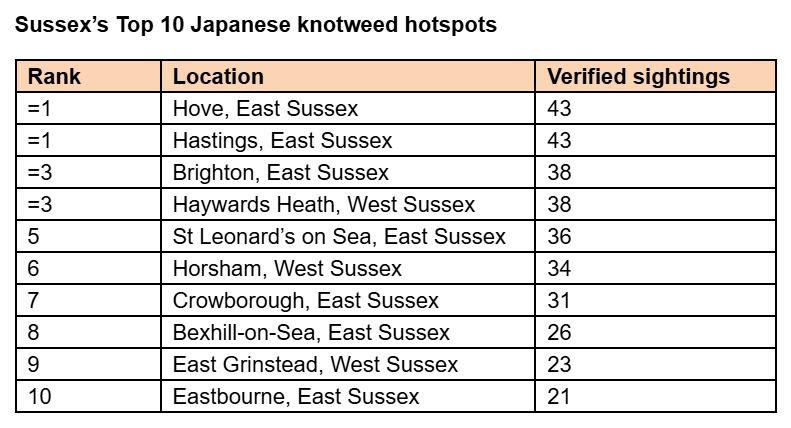
Hove and Hastings each recorded 43 verified sightings of the invasive plant, according to new data published by Environet.
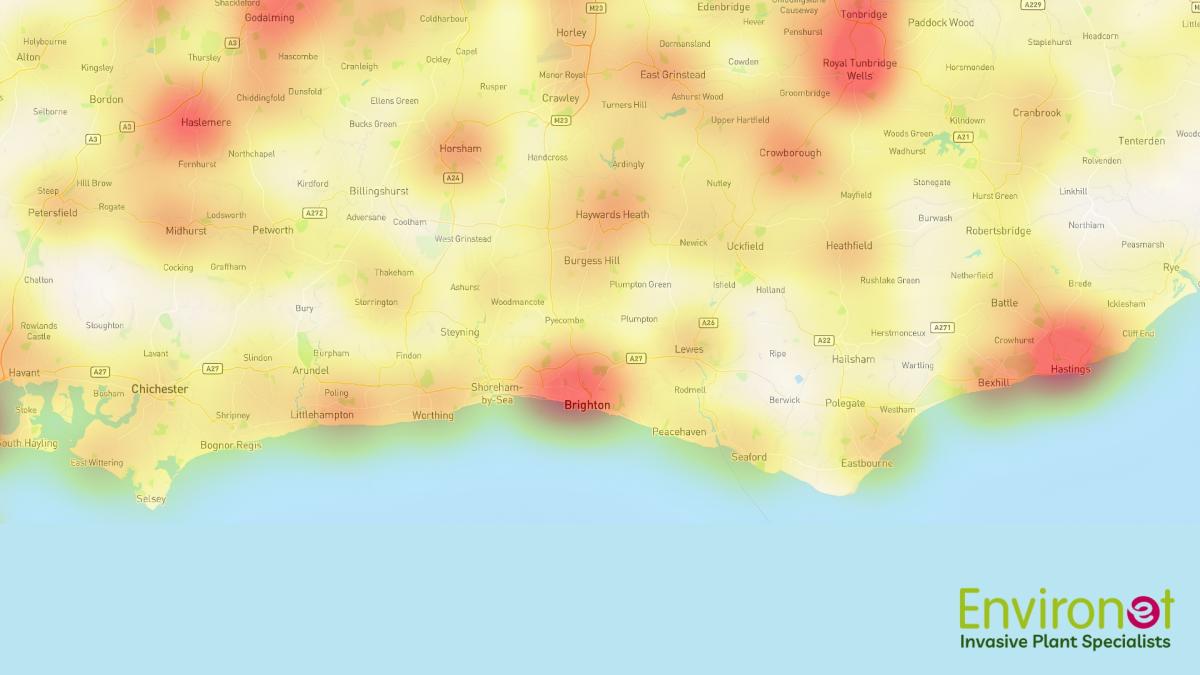
The mapping was gathered using Exposed: The Japanese Knotweed Heatmap, a live tracker that helps identify knotweed hotspots across the UK.
Emily Grant, director at Environet, said: "Japanese knotweed is now firmly established right across the country, which means homeowners everywhere should know what to look for.
"My advice to anyone living or buying a home in a Japanese knotweed hotspot is to check your garden regularly during the growing season.
"The earlier it’s spotted, the easier and cheaper it is to deal with.
"Acting quickly with professional advice will prevent it spreading further and help protect both your property and its value."
In Sussex, the top 10 hotspots also include Brighton and Haywards Heath, each with 38 sightings, followed by St Leonard’s on Sea with 36.
A total of 938 sightings have been recorded across East and West Sussex, equating to 0.63 incidents per square mile.
Read more:
-
Private garden opens to visitors for charity fundraising afternoon
-
Save £25 on You Garden's beautiful Acer plants...get yours for just £19.97

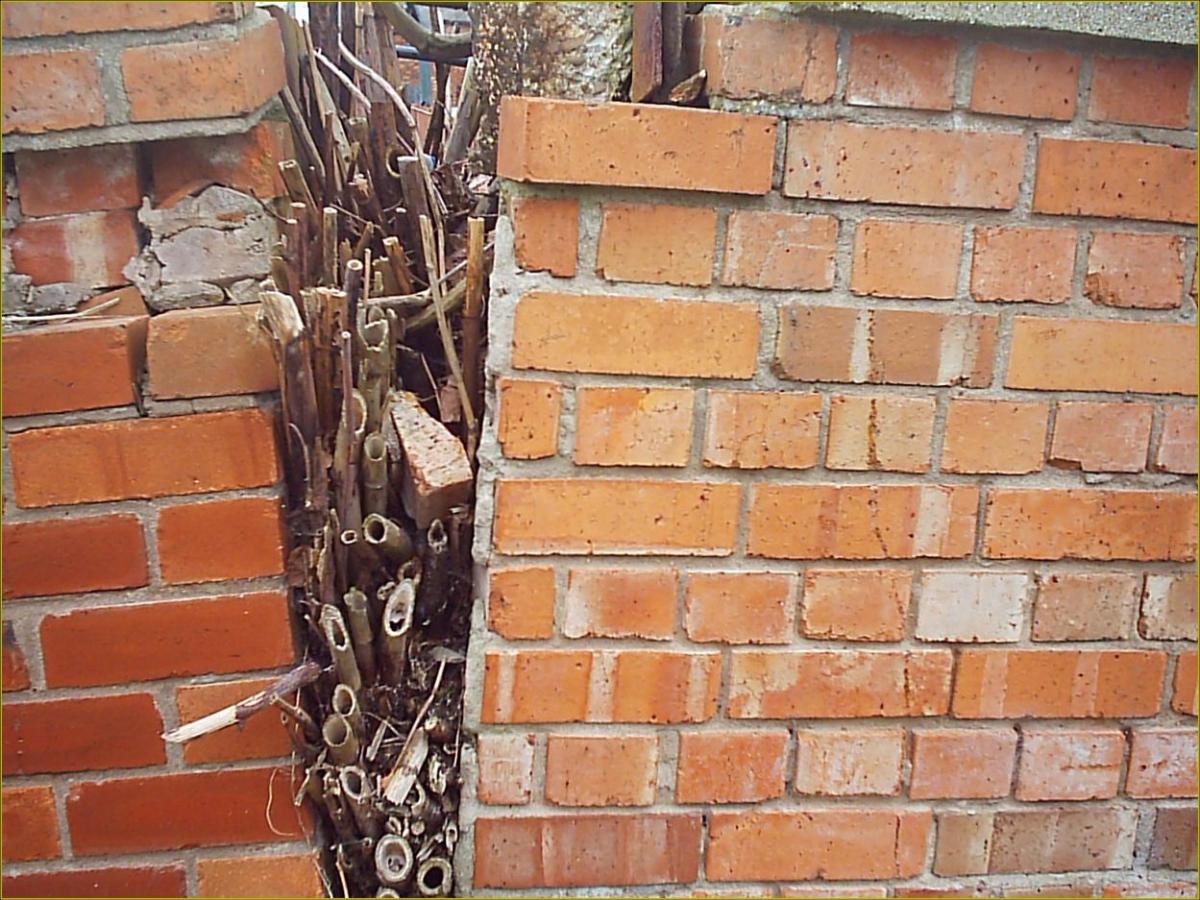
Japanese knotweed can damage buildings and reduce property values by around five per cent.
It can also lead to legal disputes if it spreads onto neighbouring land.
The plant was introduced to Britain as an ornamental garden plant in Victorian times and has since spread across the country through contaminated soil, waterways and industrial activity.
Although it does not reproduce by seed in the UK, its root system can extend up to seven metres laterally beneath the ground.
Even tiny fragments of rhizome can take hold and grow into new plants.
Anyone who suspects they have Japanese knotweed can email a photograph to expert@environetuk.com for free identification.
If knotweed is confirmed, a professional survey can determine the extent of the problem and recommend treatment options.
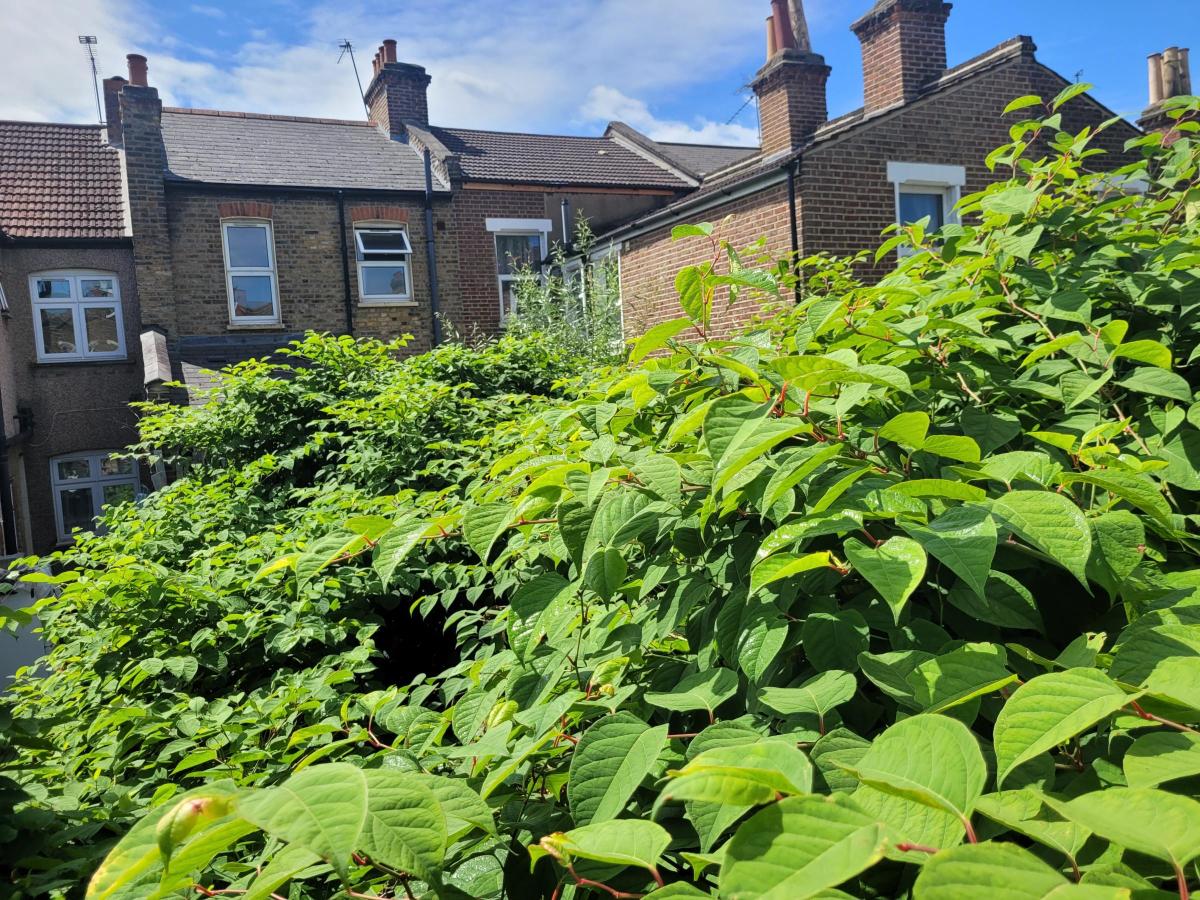
During summer, knotweed is identifiable by tall, bamboo-like canes reaching two to three metres in height.
The plant has large, bright green shield-shaped leaves that grow in a zigzag pattern along the stem.
By late summer, cone-shaped tassels of small creamy-white flowers emerge on the upper canopy.


Share