




An artist has turned a cancer diagnosis into creative inspiration, developing a body of work that explores illness and recovery.
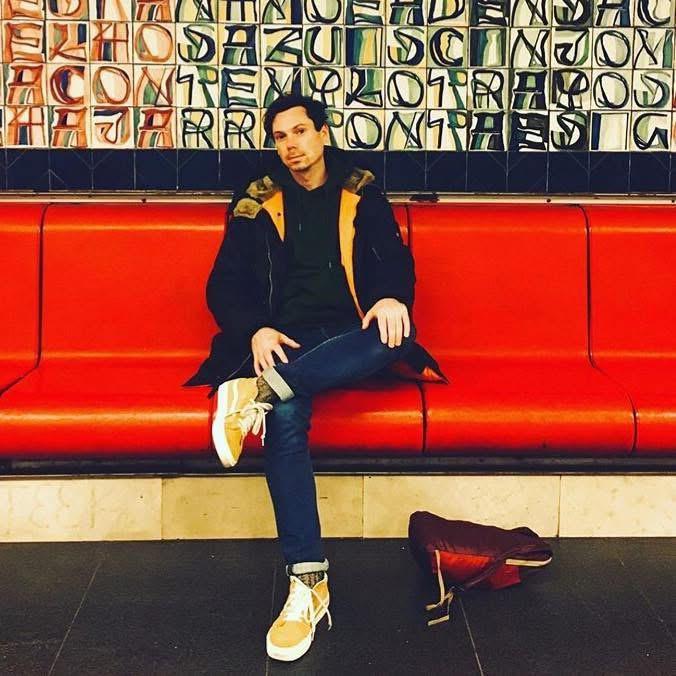
Angus Greenhalgh, a Master’s student at the University of Brighton, received the diagnosis of chordoma—a rare, slow-growing cancer that affects just one in a million people—five months into his MA Fine Art degree in 2024.
The experience became a turning point in both his life and artistic practice, prompting him to explore deeply personal themes through immersive installations and sound-based art.
Mr Greenhalgh said: "The biggest turning point came completely out of the blue.
"Five months into my first year I was diagnosed with cancer, and it felt like a bomb had gone off in my life. Inevitably it changed my practice too.
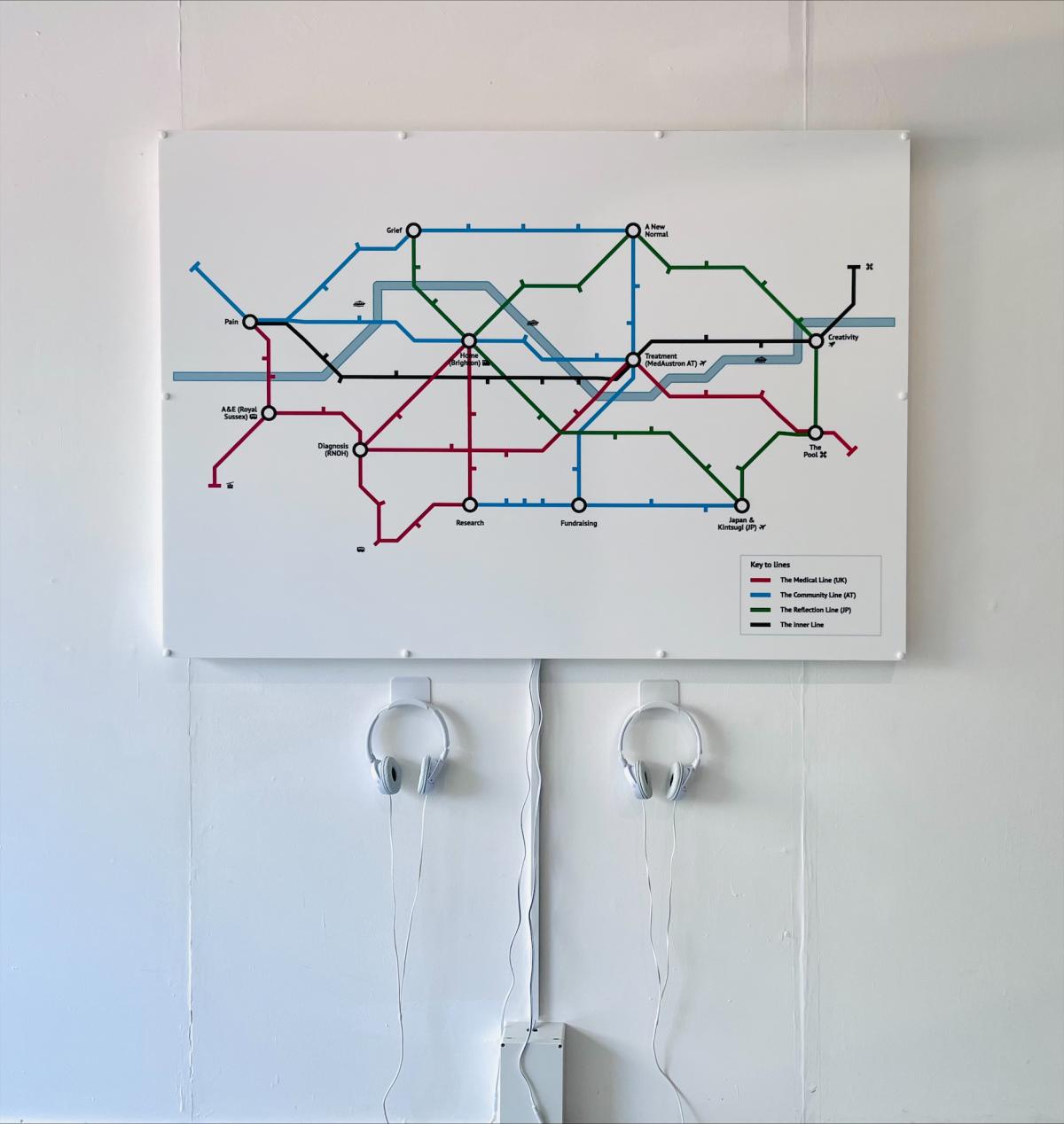
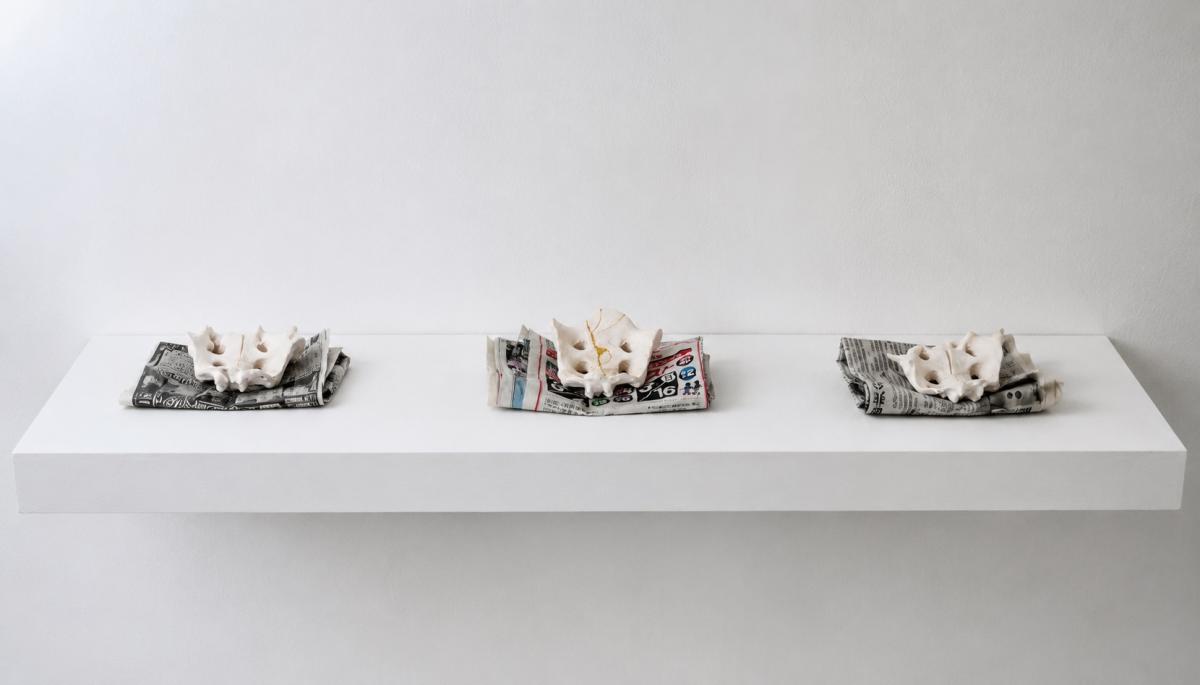
"My work became much more personal, exploring trauma, recovery and the emotional impact of illness through installation and sound.
"Although I would never have chosen that experience, it fundamentally changed the way I make art.
"It gave me the confidence to be more open and vulnerable, using my own experiences as the starting point for work that I hope resonates with others."
Read more:
-
University wins top environmental award for sustainability work
-
Student satisfaction rises for second year running at university
His final project was part of the University of Brighton’s annual MA Show, taking place from July 5 to July 12 at the City Campus on Grand Parade.
The exhibition showcases work from postgraduate students across Fine Art, Photography and Sequential Design/Illustration programs.
Before beginning the course, Mr Greenhalgh intended to focus on the intersection of sound, technology and installation art.
Following his diagnosis, his practice shifted toward themes of resilience and survival.
He said: "When I started the MA, I wanted to explore the relationship between sound, technology and installation.
"By the end of it, I realised I was really exploring what it means to survive, recover and keep moving forward. Looking back, it transformed not only what I make, but why I make it."
Prof Tamar Jeffers McDonald, dean of the School of Art and Media, described Mr Greenhalgh's work as a powerful example of "the extraordinary power of art to help us process life's most difficult experiences."


Share