


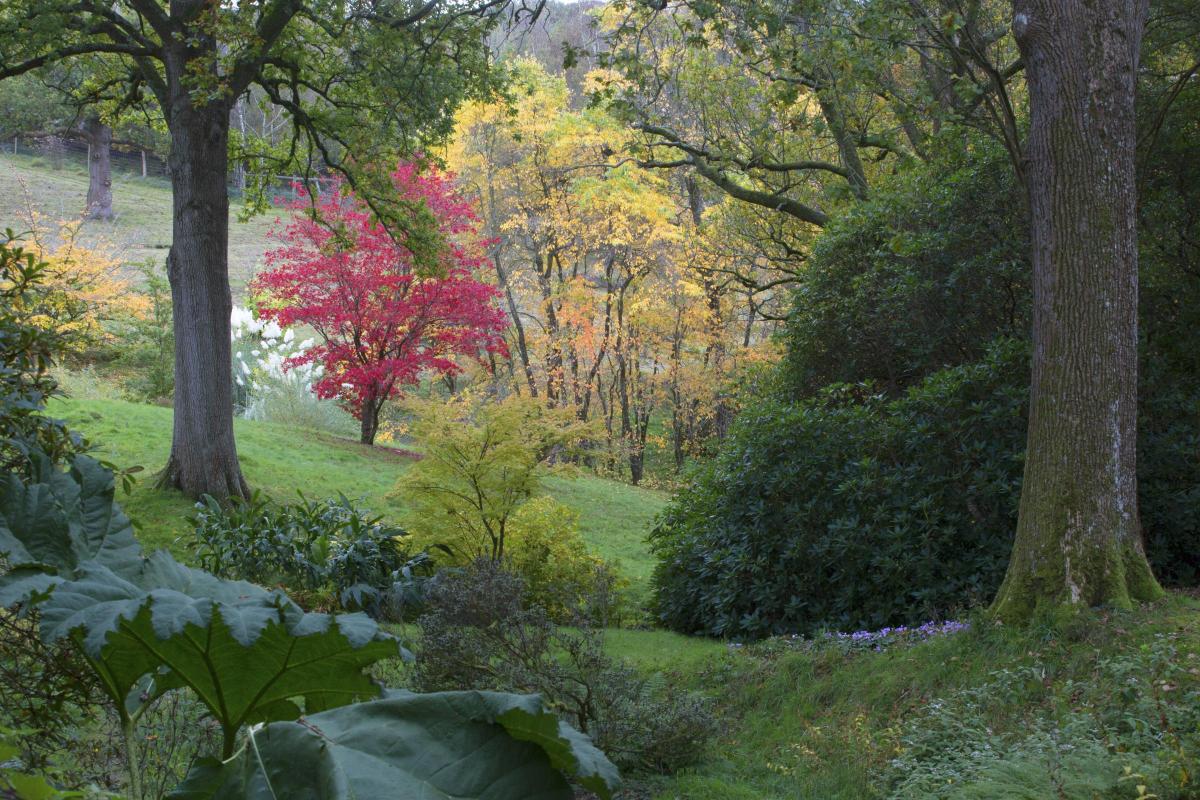
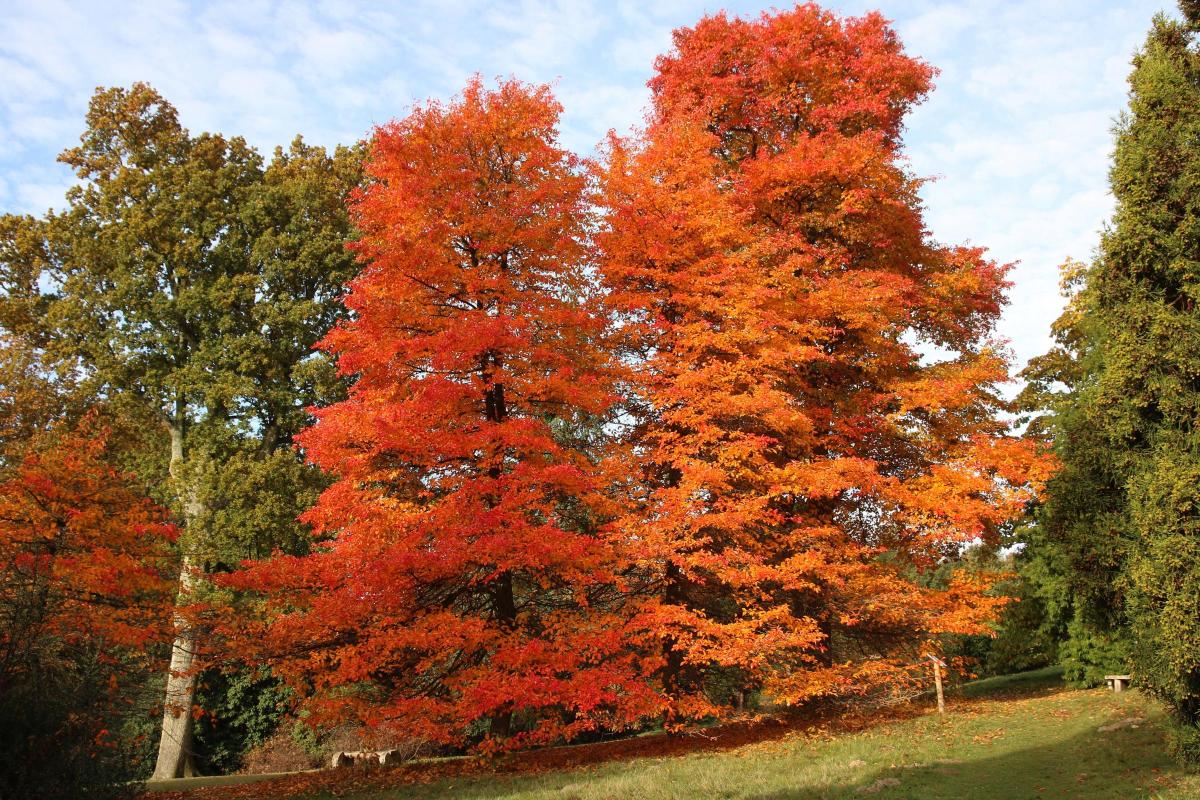
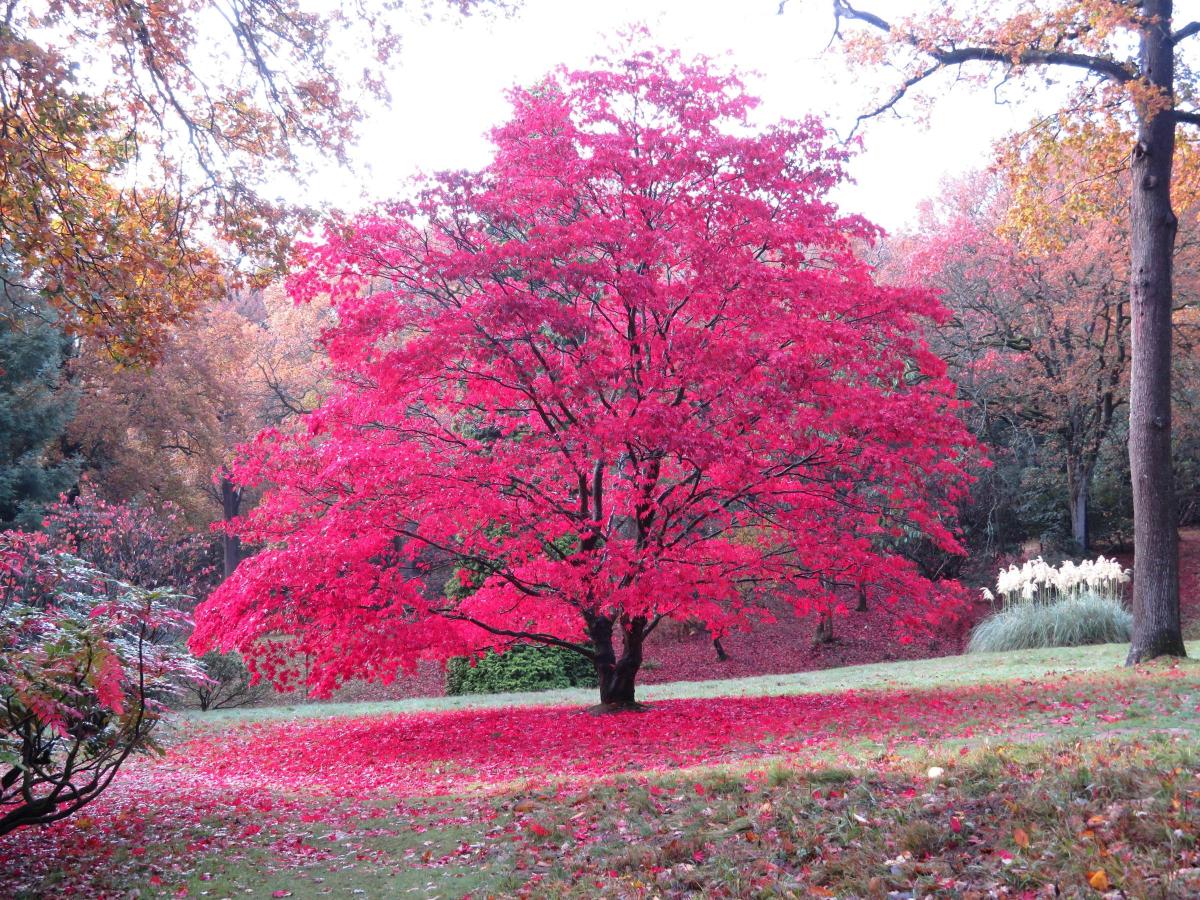

The atmospheric garden at High Beeches has a fascinating history and unique collection of rare trees and shrubs that put on a spectacular show of autumn colour
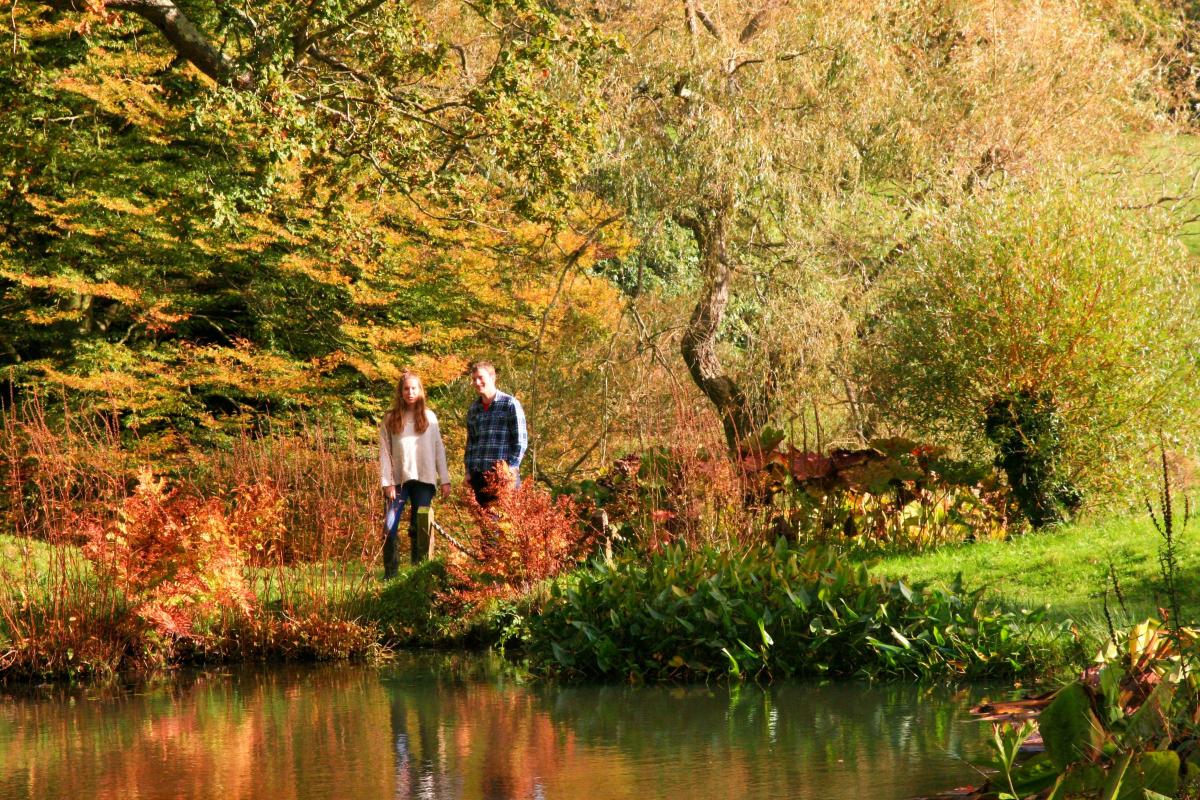
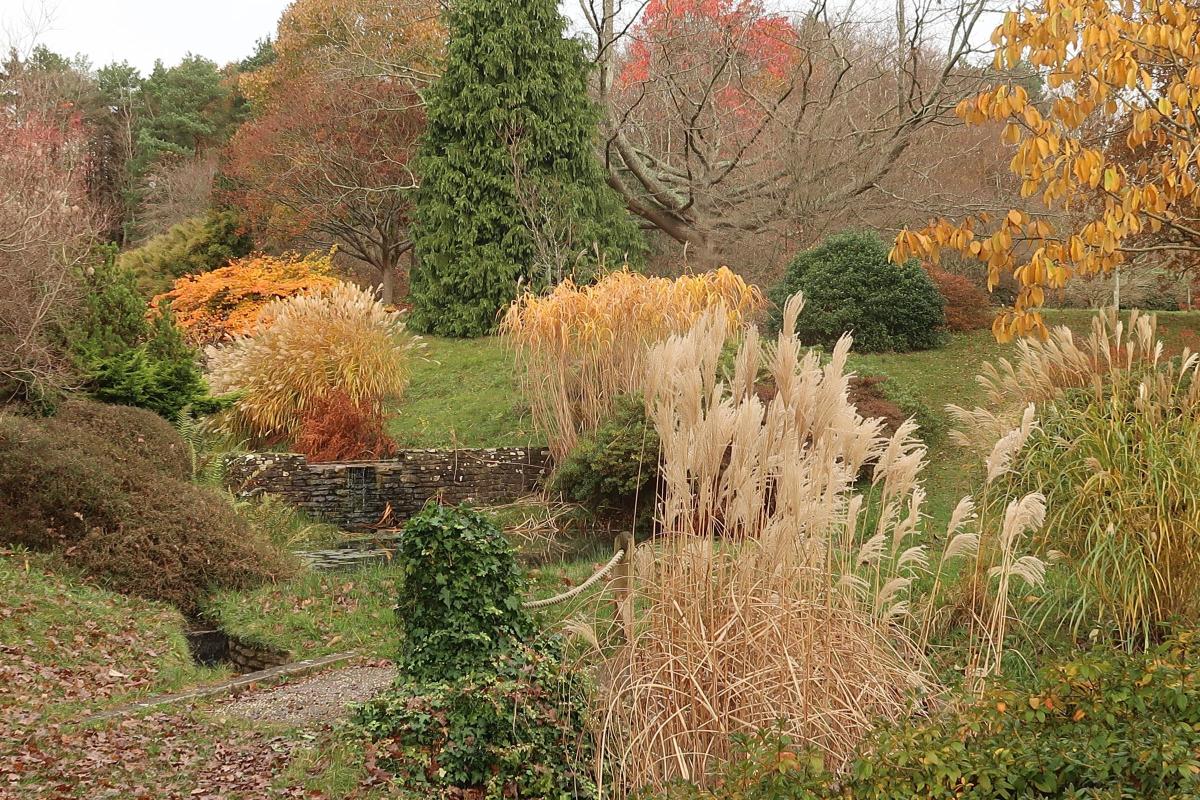
The 27 acres of woodland and water garden at High Beeches, near Handcross, is home to an impressive collection of mature trees and shrubs. Autumn colour glows through a landscaped hillside in fiery shades of red, orange and scarlet mixed with tints of purple, pink and gold. Choice varieties of maples, liquidambars and tupelo trees contrast with evergreen conifers to create a layered tapestry of colour in this special place which, with its horticultural pedigree and all-year planting, deserves to be better known.
Along with the renowned gardens at Leonardslee and Wakehurst, High Beeches is one of three gardens in the High Weald that was created in the late 19th and early 20th century by the Loder family.

The family’s gardening legacy started in 1847 when Sir Robert Loder bought the 1,000-acre High Beeches estate, improved the house and garden and brought up his 10 children here. After his death in 1888, his second son, Wilfred, inherited the estate while his eldest Sir Edmund moved to his wife’s family home Leonardslee, near Horsham, and another son, Gerald Loder, later the first Lord Wakehurst, bought Wakehurst Place, near Ardingly. Although Wilfred developed the garden at High Beeches and, like his brothers at Leonardslee and Wakehurst, started to introduce the hybrid rhododendrons and non-native plants that plant hunters of the time were collecting world-wide, it was his son Colonel Giles Loder who, after inheriting in 1906, landscaped and planted the peaceful woodland garden we see today with its ponds and streams, views and vistas and unique collection of plants.
Keen to learn and to create a place of beauty, Colonel Giles sourced plants and advice from the best nurseries, his Loder uncles and High Weald neighbours who were planting great gardens at the time at Borde Hill and Nymans. He also referred to his nearby friend, the naturalist John Millais, son of the artist, who advocated against over-crowding plants, only using the best available, and that gardens should be living pictures, restful to the eye and beautiful in all seasons.

After more than a century of Loder family ownership, and the death of the Colonel, the High Beeches estate was sold at auction in 1966. Split into lots, the garden and burnt-out ruins of the house, caused when a Halifax Bomber plane crashed into it in 1943, were bought by Edward and Anne Boscawen who’d fallen in love with the place after a visit some time before. Both enthusiastic gardeners from families with well-known gardens, they were keen to continue the spirit of the garden Colonel Giles had created over 60 years and were guided by head gardener Eric Stockton who’d worked with the Colonel for 40 years.
The Boscawens removed the house ruins and built a new house within the garden overlooking an ancient meadow with views of the Downs. Keen amateur botanists, they joined expeditions to the Himalayas, America and Turkey, learning more about their collection of plants at High Beeches which they’d show at RHS Shows as well as becoming RHS judges themselves. The 1987 Great Storm took down nearly all the mature beeches but although treasures were lost, all the rhododendrons and maples survived as did most of the native oaks; also, the trees lost created the benefit of introducing more light and opening up views. After months of clearing, the family decided to open the garden to the public the following year and, to secure the future of the garden, they set up the High Beeches Conservation Trust.

Soon after, Edward and Anne’s daughter, Sarah, with husband Jeremy Bray and their three young daughters, moved back to High Beeches to help with the opening of the garden. Today the couple are the garden’s custodians and Sarah works hard to continue her parent’s legacy. ‘The genius loci, the spirit of the place, was very important to my parents,’ she says. ‘It’s always been our philosophy here to maintain the integrity of Loder’s garden and our important collection of plants.’
Some of the most important plants in the garden are the spring-flowering magnolias, rhododendrons and azaleas, which were introduced from the pioneering plant-hunting trips, many supported by the Loder family, of George Forrest, Ernest Wilson and Frank Kingdom Ward. These now mature and stately specimens create an exotic, colourful and fragrant display in April and May when swathes of bluebells also carpet the woodland.
In late summer an unusual sight is the deep blue willow gentians, Gentiana asclepiadea, with trumpet flowers that have naturalised here, the only garden in UK to have recorded this. Biodiversity and conservation are part of the ethos of High Beeches. The Front Meadow near the house and entrance to the garden is a rare acid meadow and was in existence when Sir Robert Loder bought the property. Uncultivated for nearly 100 years, it is full of different types of wild-flowers, butterflies and other insects in June and July.

Senior gardener Elliott Chandler, who works in the garden alongside Steven Redfern and a local volunteer, is especially knowledgeable on the garden’s wildlife and he leads occasional tours of the meadow and fungi in the garden with the support of Sussex Wildlife Trust.
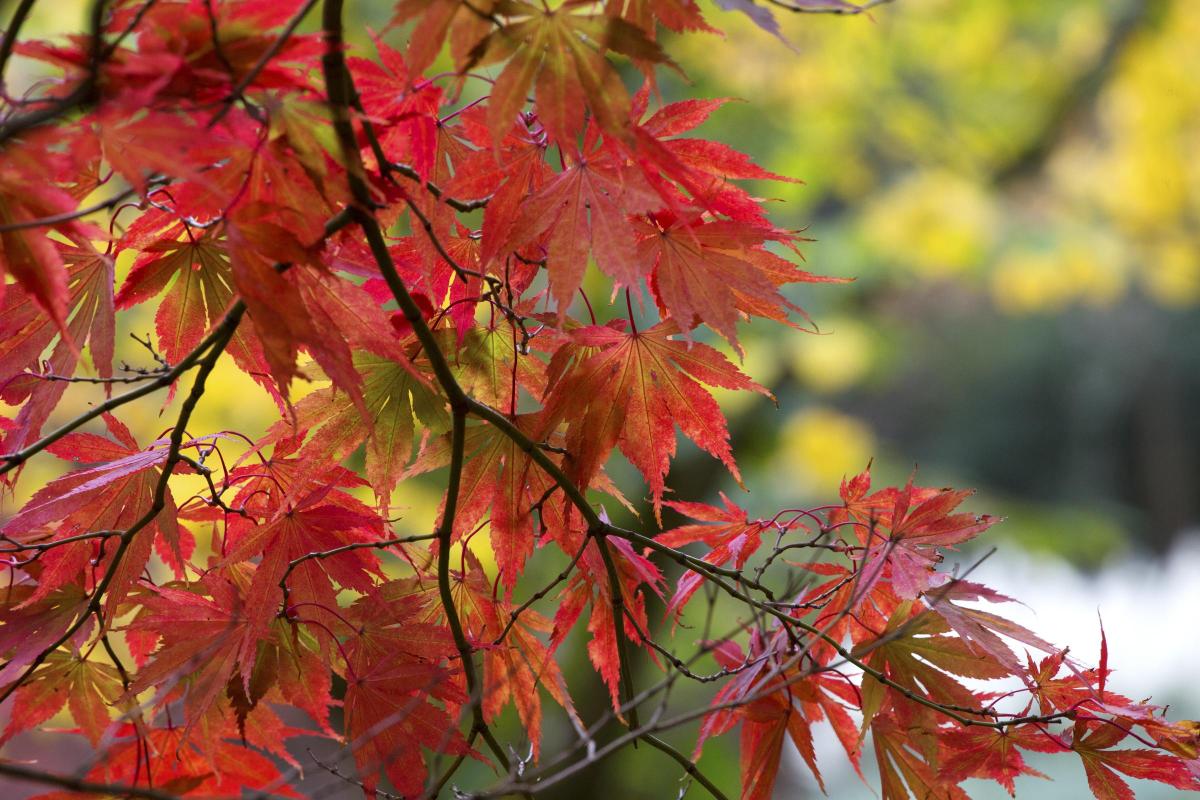
In late September and October, the woodland comes into its own. Beautiful old oaks and varying forms of dark green conifers provide the backdrop to a carefully curated range of trees and shrubs that thrive in the acid soil here and are planted to create a dramatic picture of seasonal colour. Japanese maples with leaf colour in every hue of red, orange, pink and gold, liquidambars including the excellent cultivar ‘Worplesdon’ with its large star-like leaves turning purple, orange and yellow, and elegant tupelo trees including the RHS award-winning Nyssa sylvatica ‘High Beeches’ with beautiful foliage colouring crimson, orange and gold, all put on a show. Prized shrubs include Fothergilla monticola with leaves turning pink and yellow and the rarer Discanthus cercidifolius with leaves similar to a cercis colouring crimson and claret.

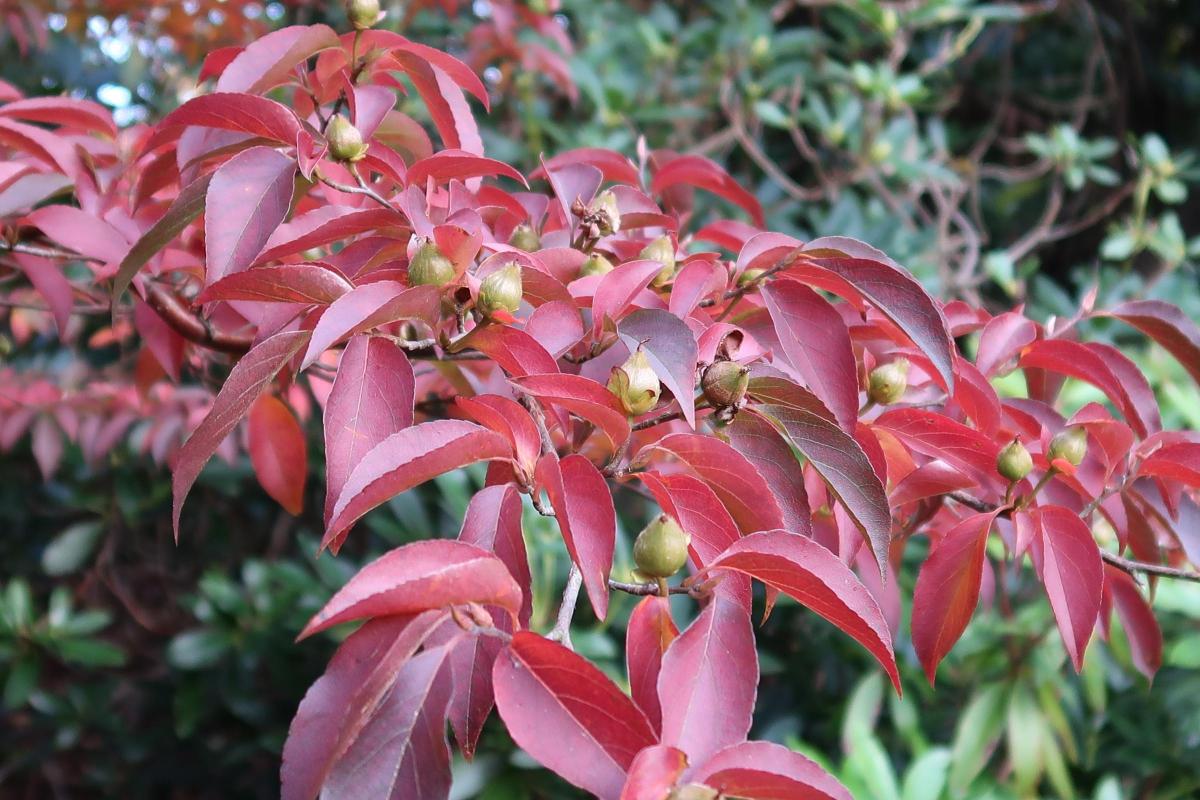
Among Sarah’s favourite trees at this time of the year are the stewartias. ‘I love them,’ she says. ‘We hold the national collection, they do well in the garden and make a very elegant tree with attractive bark, white camellia-like flowers in summer and lovely autumn colour.’
The plants, landscaping and history of the garden at High Beeches sets it apart. Listed Grade II* by English Heritage as an outstanding example of an early 20th-century woodland garden, the spirit of the place resonates especially during this time of year when seasonal colour truly creates a series of living pictures..
Visit the garden
High Beeches Gardens, High Beeches Lane, Handcross, West Sussex RH17 6HQ, 01444 400589.
Open from April to October 31, closed Wednesdays.
highbeeches.com
@highbeechesgardens



Share